
GuideMiaGuideMia Technologies, LLC

Dental implant software

Plan the implant against real bone, then design the guide that puts it there.

Segment bone and nerve from any CBCT, place implants from any library, and export a guide your own printer can make.

Windows 64-bit. Free planners available for both disciplines.

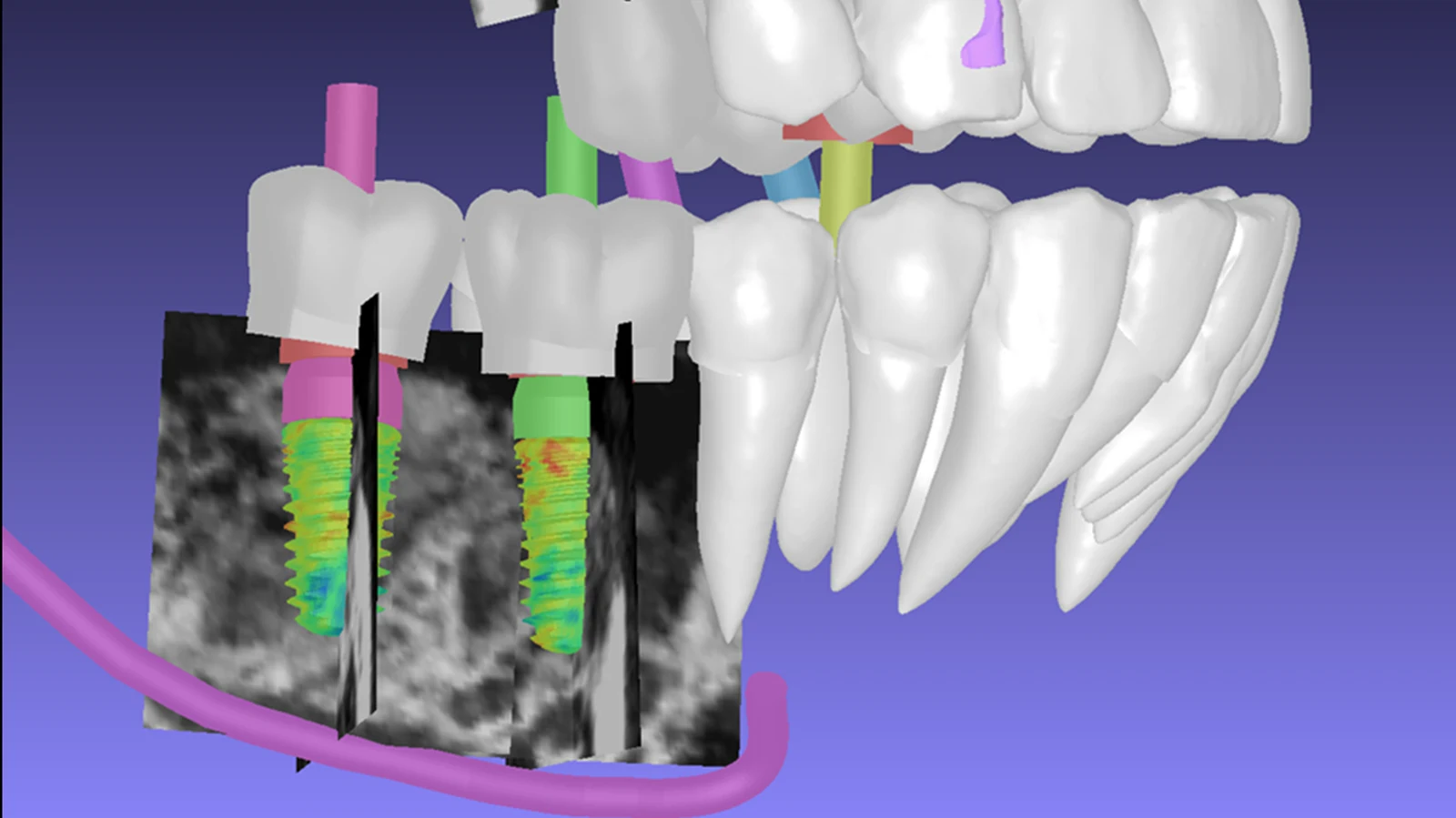
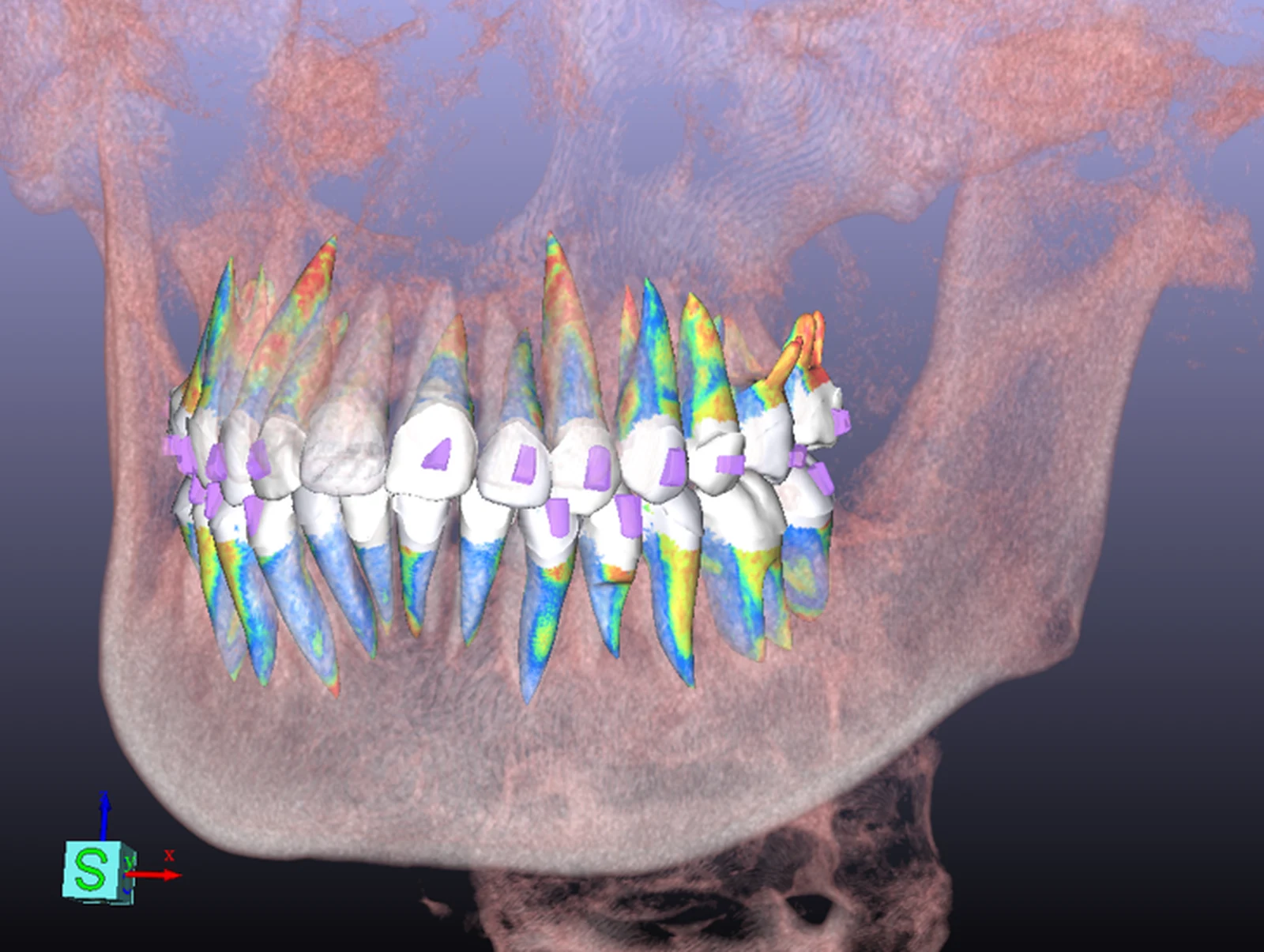
Implants colour-mapped against bone density inside CBCT slices, with tooth roots and the inferior alveolar nerve canal

Which software are you here for?

Pick one and the menus and this page narrow to it. You can change it at any time, or keep both.

Implant planning

Plan implants on CBCT and intraoral scans with local AI segmentation, then design and print surgical guides — tooth-, tissue- and bone-supported, full arch, bone reduction and zygomatic.

Explore

Orthodontic planning

Plan clear aligner treatment from scan to staged setup, then design and produce the appliances — aligner models, direct print, attachments, bonding guides and trimming output.

Explore

Free clear aligner treatment planning

Sign up on Cympha, send a scan, and we generate the treatment plan at no charge. You pay one credit only if you take the case forward to aligner design.

See how it works

Two tools built to get a regular case through quickly

The Wizard in Implant Master and the Happy Button in OrthoPlus were added for one purpose: to carry a regular case from start to finish without anyone having to drive the whole design environment. Each performs one step at a time and names the step that follows, which makes them the quickest way through routine work and the place to start on day one. The full workflow pages stay available for the cases that need more.

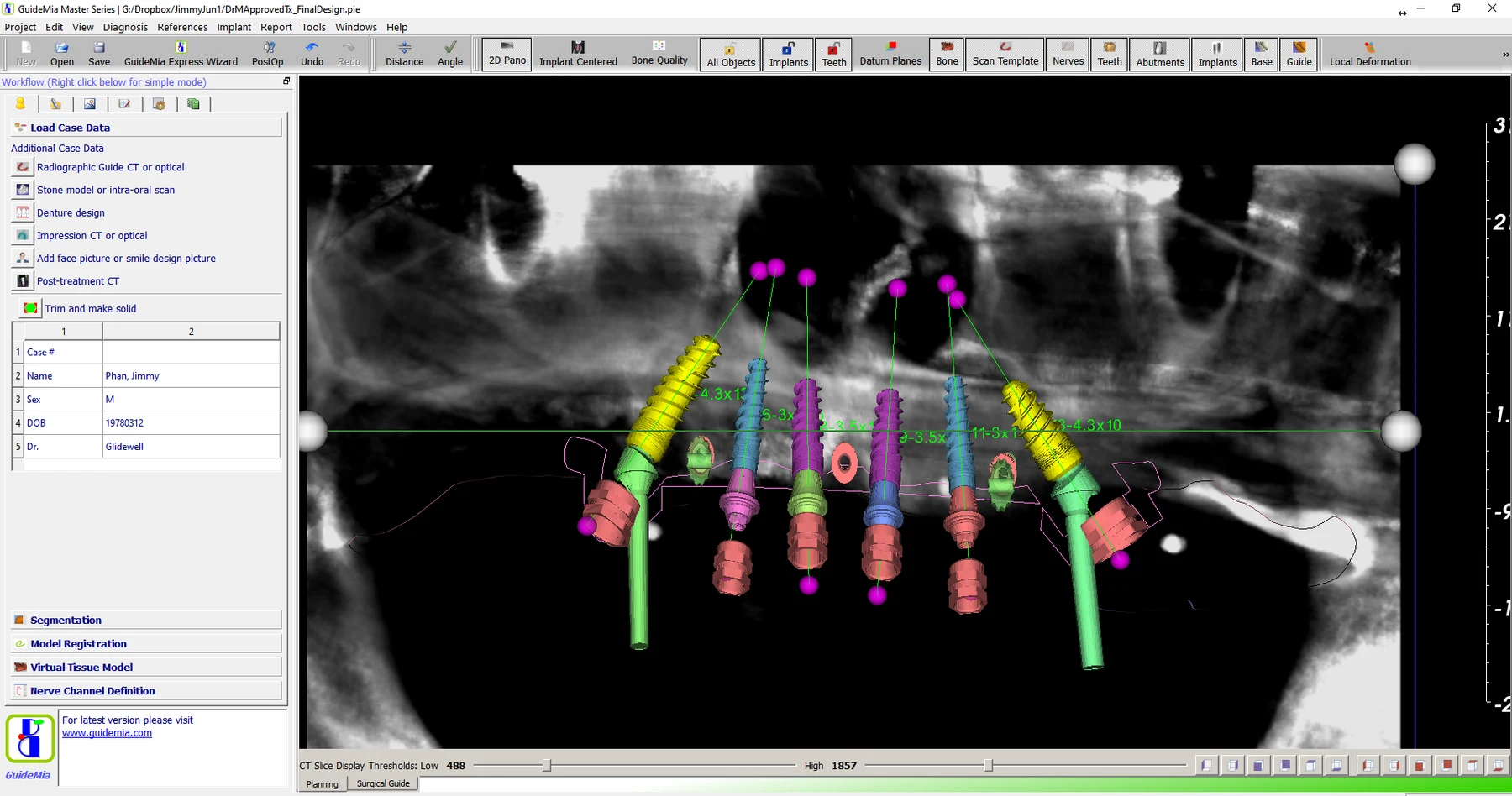
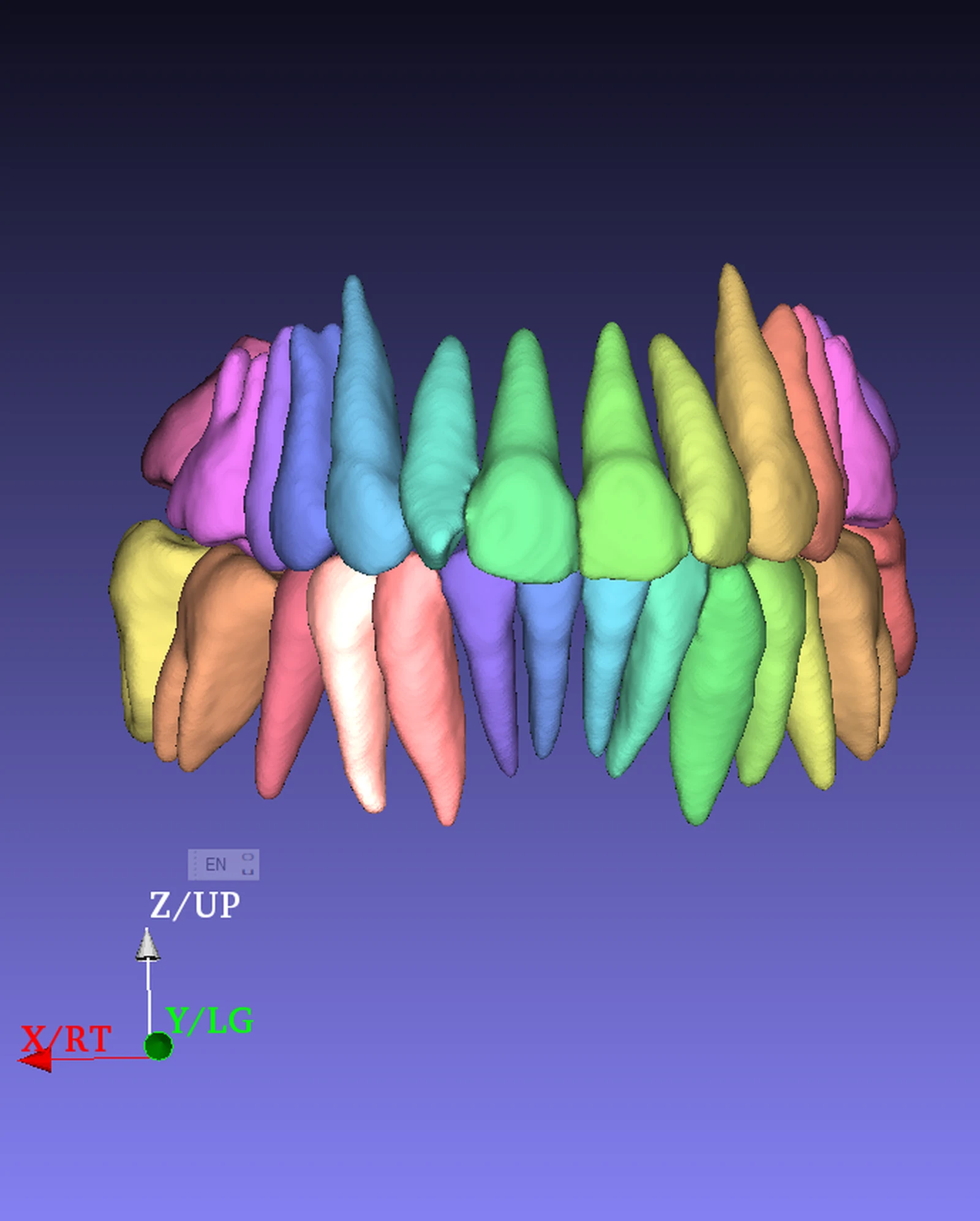
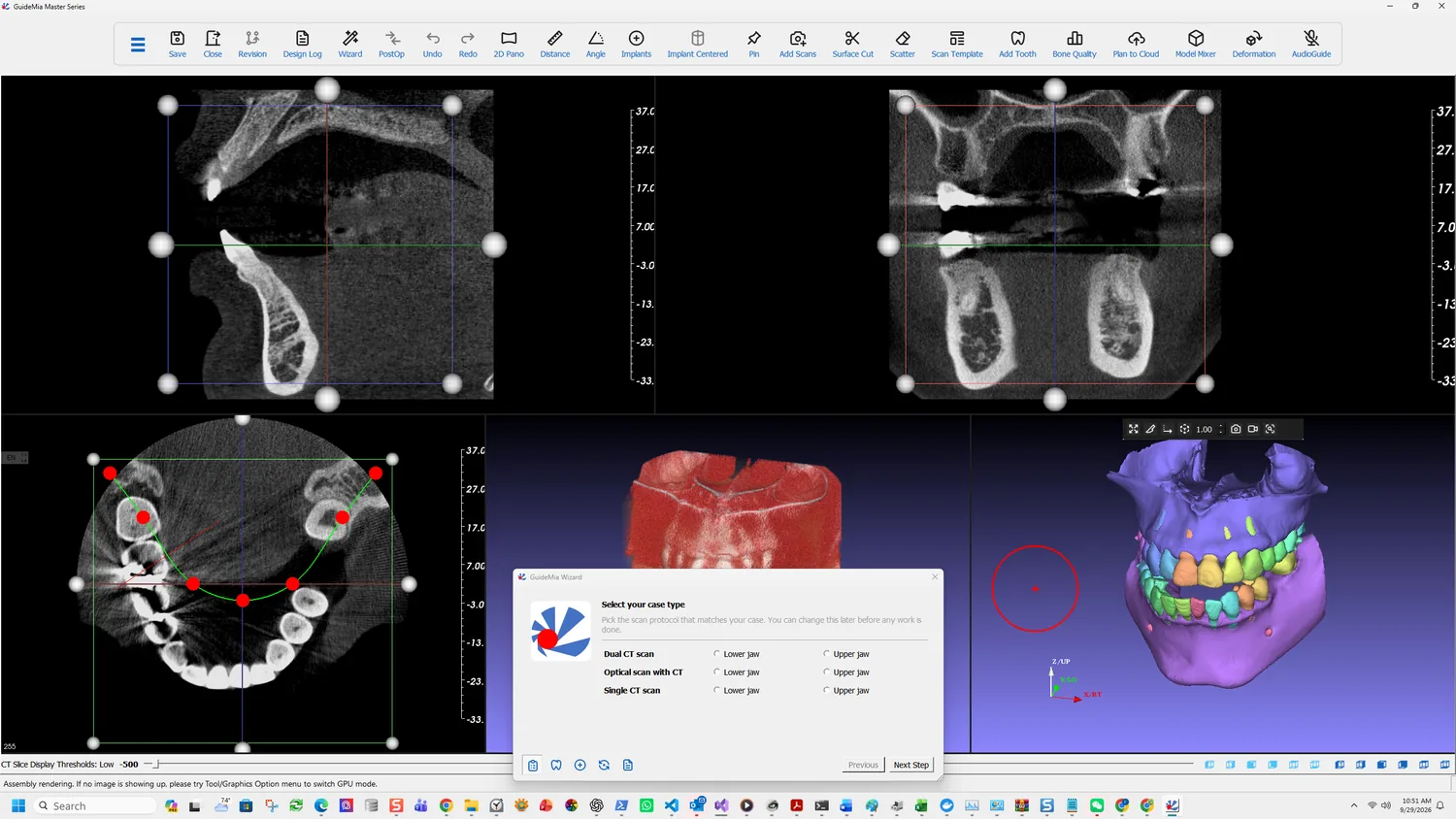
Select your case type — the Wizard's first page, over a workspace where the AI has already segmented the arches
Select your case type — the Wizard's first page

Implant Master

The Wizard

A routine case is six steps, one page at a time. There is nothing else to learn to finish one.

A new project opens the Wizard on your case type. From there it is one page per step, with Previous and Next Step at the bottom and only the controls that step needs. The extra tools sit in the sidebars, where a straightforward case can ignore them.

  1. 1Case — choose the case type
  2. 2Bone — review the segmentation
  3. 3Nerve — review the nerve channel
  4. 4Implants — place the fixture
  5. 5Guide — design the surgical guide
  6. 6Report

Working from a radiographic guide or a separate optical scan adds its own load and register steps, and the Wizard leaves out the ones your case type does not use. When the volume loads you are asked whether the AI engine should segment it in the background, which turns the segmentation step into a review.

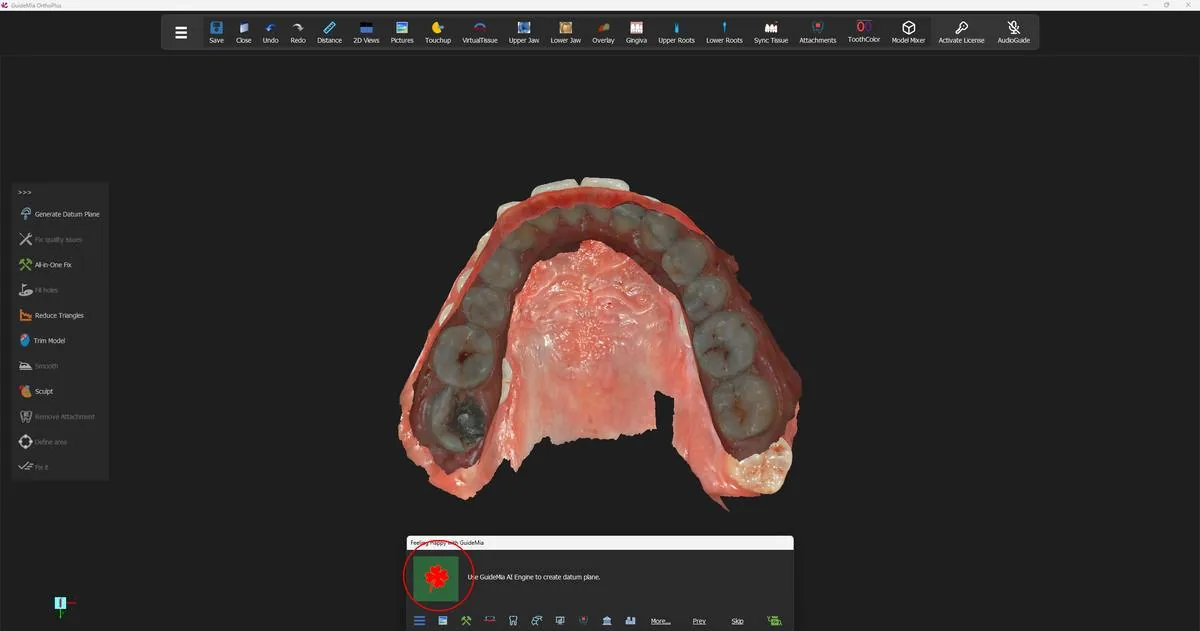
The Happy Button standing on the occlusion plane step, naming what it will do next
The Happy Button standing on the occlusion plane step

OrthoPlus

The Happy Button

One button, pressed again and again. That is the whole aligner workflow.

Almost the whole aligner workflow is driven by one control. The Happy Button sits at the bottom right and always shows the next step: press it, GuideMia performs that step, and the button changes to name whatever comes next.

  1. 1Fix the jaw models and set the occlusion plane
  2. 2Tooth segmentation, crown boundaries and arch curves
  3. 3Virtual roots and tooth alignment
  4. 4Movement plan and stage planning
  5. 5Base and arch models, aligner boundaries, attachments
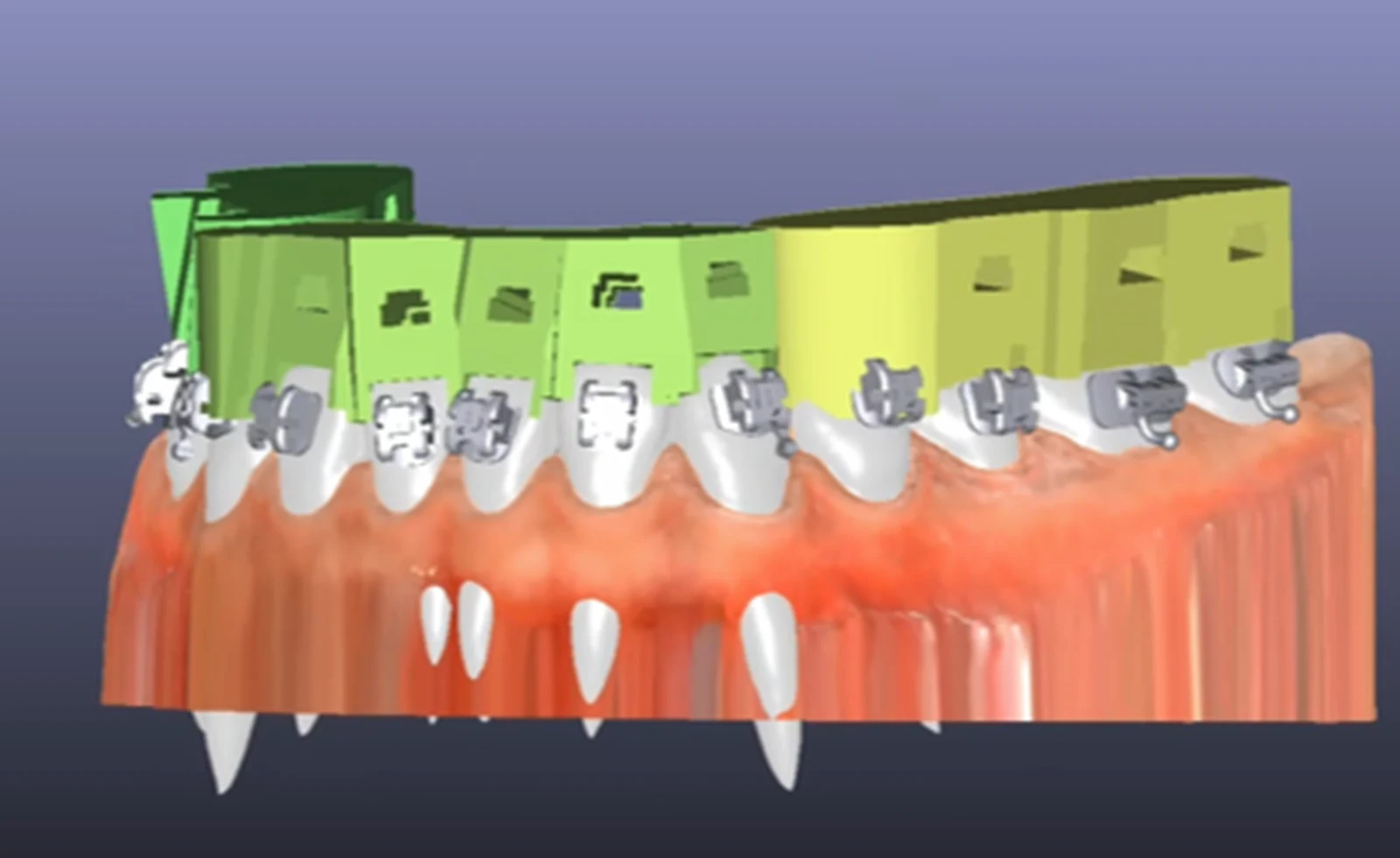
  6. 6Aligner or bracket bonding guide design, case tag, then send the case out for web review

That is the whole span — from the raw scans to the appliance and the case going out. You can leave the sequence at any point to do something by hand, and pressing the button again picks the thread back up; the instruction text beside it names the step it is standing on.

Why GuideMia is the best.

Dental implant software

Why GuideMia is the best implant software

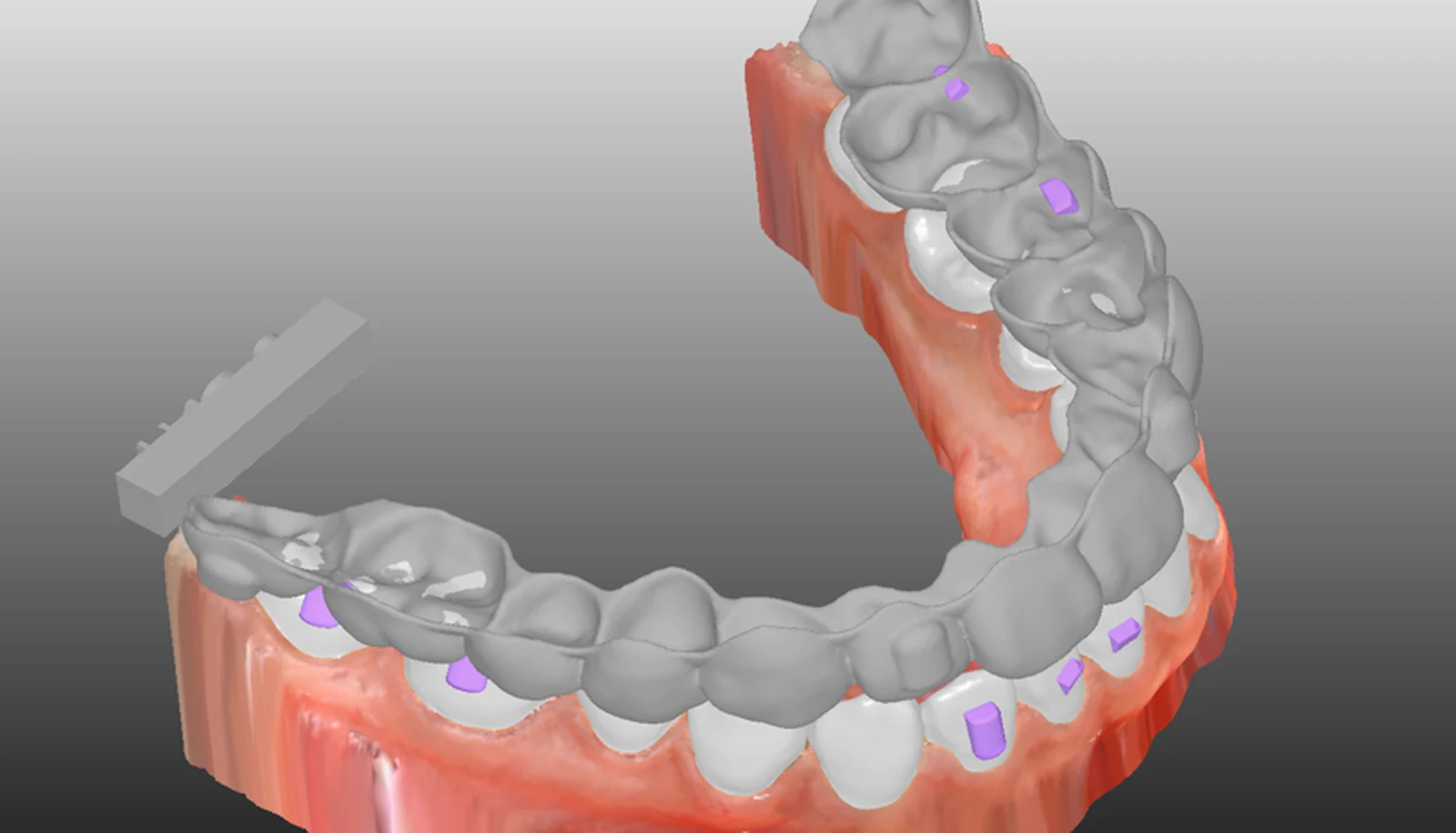
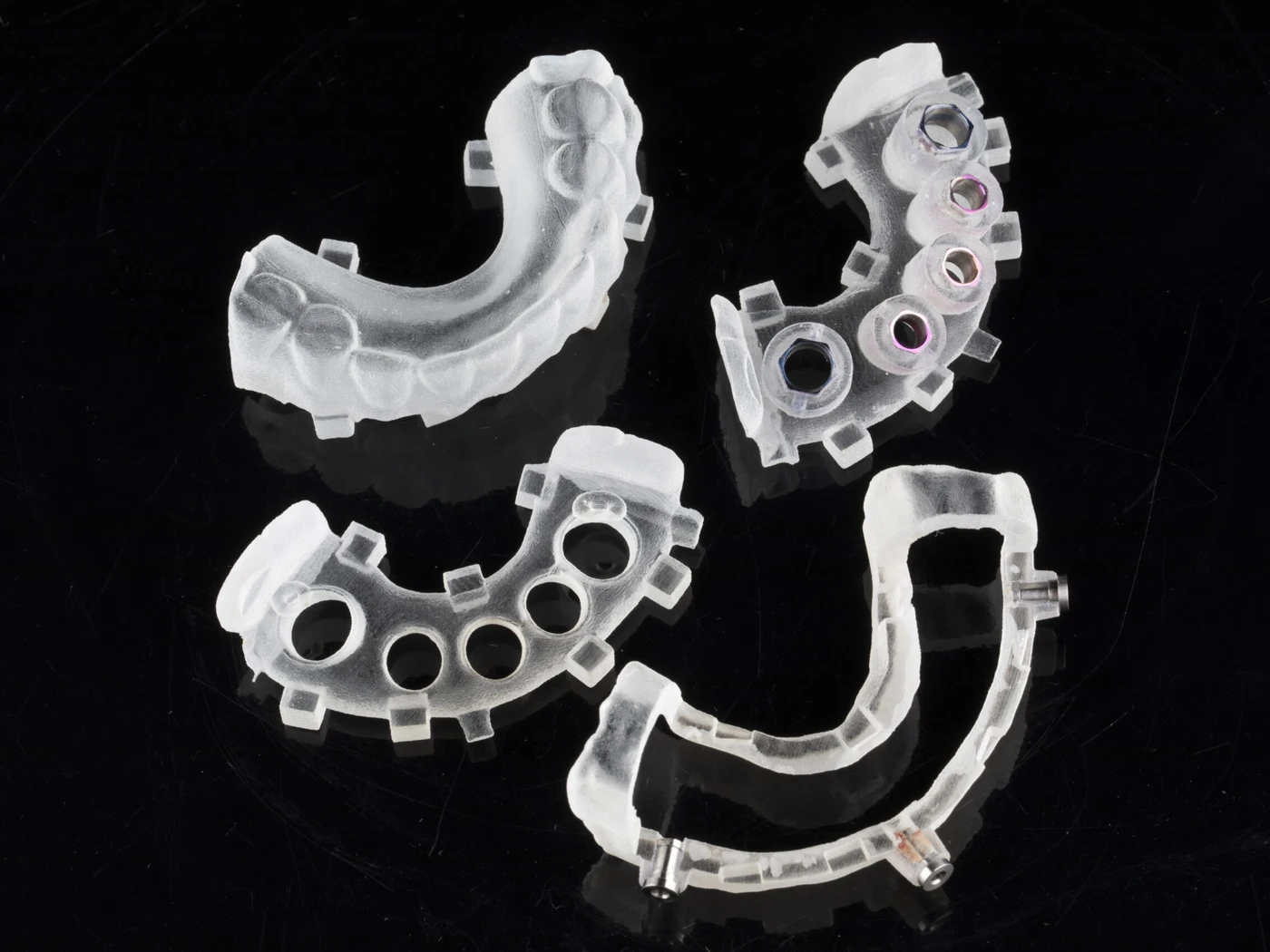
Bone reduction, surgical and prosthesis guides designed from one plan

A full solution for bone reduction guides

AI segmentation of the CBCT with the best accuracy in bone, and the complete set of guides that follows from it — bone reduction, surgical and prosthesis. Multi-modality throughout: CBCT, intra-oral and desktop scans, and facial scans in the same case.

1 / 7

What comes out

Tooth-borne and bone-supported guides · Bone reduction and prosthesis guides · Master models with analogs · STL for any printer or mill

The ladder

Implant Master

Full guide design, bone reduction, edentulous and full-arch cases.

from $25/mo

GuideMia Implant Planner

Plan, measure and review. Share with whoever designs.

Free

Windows 64-bit. The Implant Planner is free and does not expire; guide design and export for manufacture are in Implant Master.

Orthodontic software

Why GuideMia is the best aligner software

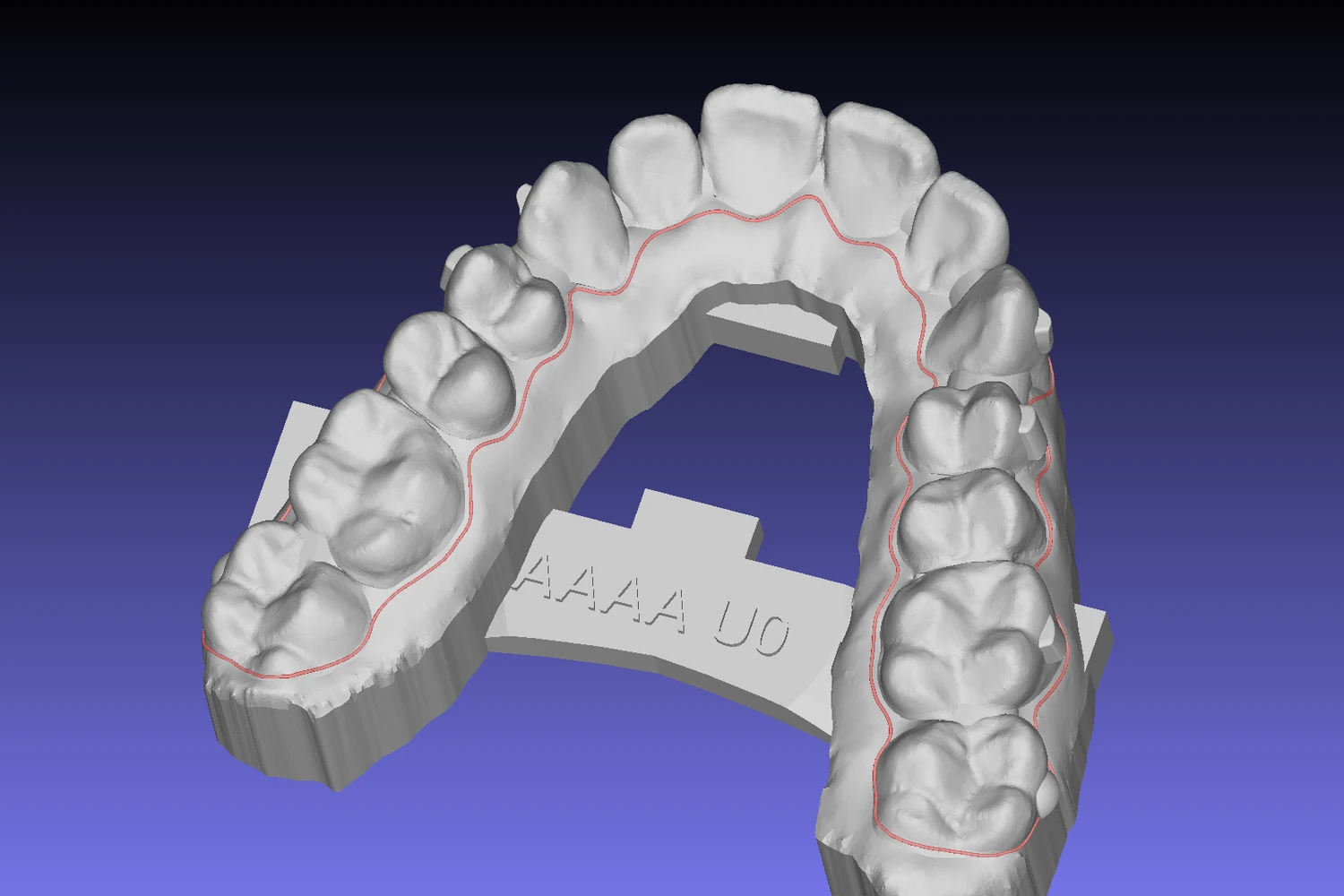
A printable arch model with the aligner trimming boundary marked

Arch models and trimming paths, generated automatically

Arch model generation with the trimming path produced for you, an open architecture that supports your own trimming machine and its fixture, and aligner boundary control for different trimming options. Multi-modality throughout: intra-oral and desktop scans, CBCT and facial scans.

1 / 7

What comes out

Aligner models for direct printing · Arch models for thermoforming · Trimming paths · Review data for Cympha Studio

The ladder

OrthoPlus

Full aligner and bracket design, straight to manufacture.

from $25/mo

OrthoClic

Chairside. Treatment plan in minutes, then hand off.

from $19/mo

OrthoPlus Planner

Open a case someone sends you, adjust the staging and present it. It cannot start a new case.

Free

Windows 64-bit. The OrthoPlus Planner is free and does not expire; it reviews and presents a plan rather than starting one.

Also available — from Cympha

Review online, without installing anything

The desktop software plans and designs. Sharing a plan with a referrer, a lab or a patient happens in the browser, and Cympha is where that part lives.

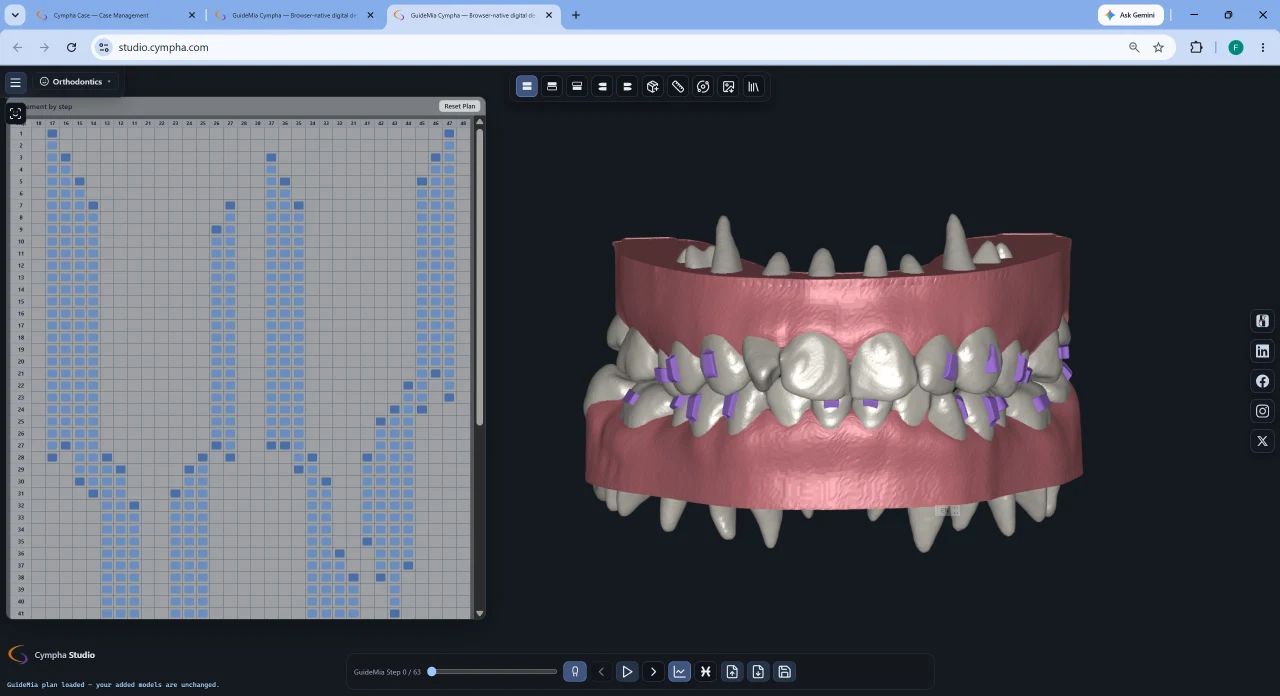
Cympha Studio in a browser, showing an aligner staging grid beside a 3D arch with attachments

Cympha Studio

Free

A dental workspace that runs in the browser. Open a scan or a plan, look at it properly, and send someone a link instead of a file.

  • Opens STL, PLY and OBJ files with nothing to install
  • Review treatment plans and step through staging online
  • Model processing, cephalometric tracing and smile design
  • Share a link with a referrer, a lab or a patient
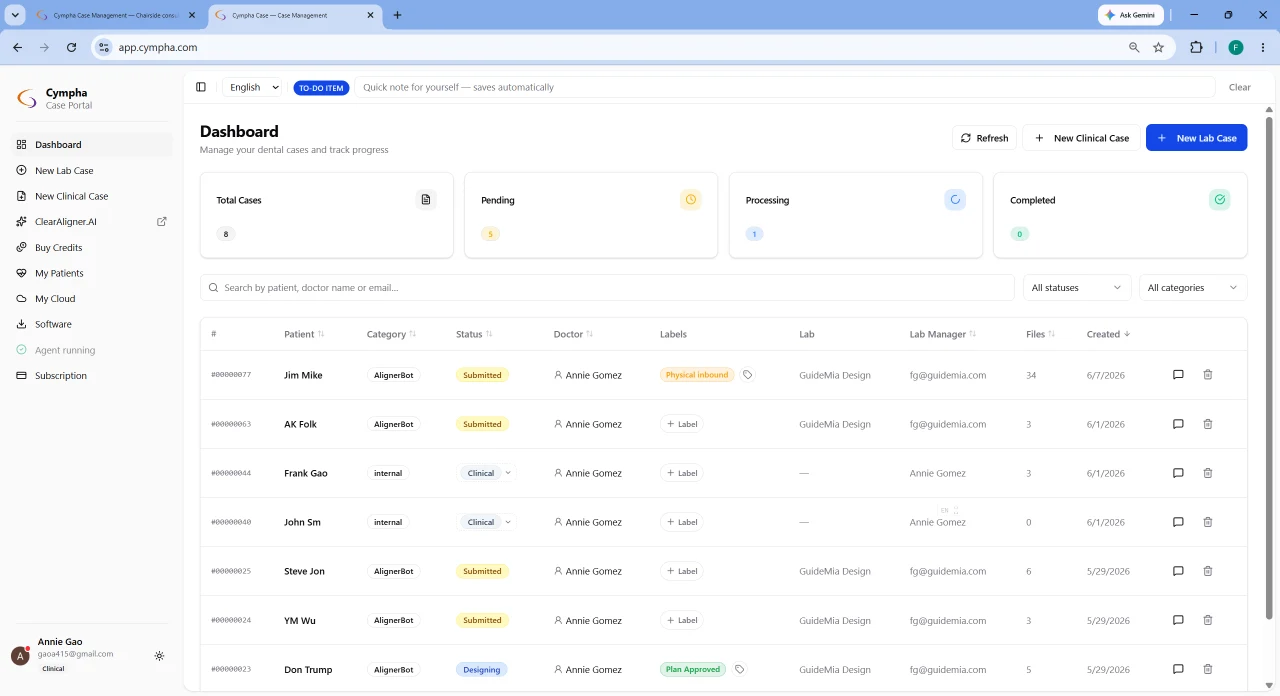
The Cympha Case dashboard listing cases with their status, doctor, lab and file counts

Cympha Case

Subscription

Case management for clinics and labs — intake, files, status and the conversation around a case, in one record.

  • One record per case, from intake through to delivery
  • Clinic and lab work the same case without emailing files
  • Status, approvals and the full activity history
  • Connects to Studio for 3D review

$20 per month· 15-day free trial

Cympha is a separate product from a partner company. Accounts, billing and support for these two are handled by Cympha, not GuideMia.

See it run

A full aligner case, start to finish

Automatic segmentation, staging and aligner model generation on a real case. The rest of the library, including implant workflows, is on the training page.

Video: GuideMia OrthoPlus automatic aligner design

Where you fit

Built for the size you actually are

Dental clinic

Plan chairside, show the patient, and send the case out for design when you would rather not do it yourself.

OrthoClic · Implant Planner

Group practice or DSO

Standardise planning across sites, keep case management in-house, and route design work to whichever lab you prefer.

OrthoClic · Implant Master · OrthoPlus

Small lab or solo technician

One seat that covers both disciplines, with pay-per-case export so cost tracks the work coming in.

Implant Master · OrthoPlus

Large lab

Multiple seats, the full appliance range, and an open pipeline into the mills and printers already on the floor.

Implant Master · OrthoPlus · CBCT Segmentation

Learn the workflow

Cookbooks

Step-by-step playbooks for the workflows people actually run. A different one is featured here every day.

All cookbooks

Today's playbook

Scaling Aligner Design Software Without More Technicians

Aligner design software that scales through batch automation, so growing clear-aligner production no longer means hiring more technicians.

Design clear aligners? So you bring computers to every member of your team?

At GuideMia, we flipped that idea around:

Instead of adding more people and more computers, we bring an entire design team into one computer.

This is not a slogan. It is exactly what GuideMia DesignBot, running on OrthoPlus orthodontic software, is built to do.


The Old Reality: Growth Means More People

For years, aligner design has scaled in only one way:

  • More cases → more technicians
  • More technicians → more computers
  • More computers → more management, training, and inconsistency

Every case still needs:

  • Scan repair
  • Segmentation
  • Tooth setup
  • Staging
  • Attachments

Which means time, cost, and variability.


The New Reality: Growth Means More Intelligence

With GuideMia DesignBot, your computer becomes a fully automated design department.

Instead of opening cases one by one, you simply:

  1. Drop an entire folder of scan files
  2. Set how many threads to run
  3. Click Start

DesignBot then automatically:

  • Repairs and normalizes scan data
  • Performs AI tooth segmentation
  • Generates initial tooth setup
  • Prepares each case for refinement

You can process 10, 50, or even hundreds of cases at once — while the system works continuously in the background.


From manual labor to aligner design software throughput

What once required:

  • multiple technicians
  • long training cycles
  • repetitive manual steps

is now performed:

  • automatically
  • consistently
  • at machine speed

DesignBot does not replace your expertise — it removes the repetitive work so you can focus on clinical judgment and refinement.

It is not a single tool.

It is a virtual design department.


Why This Changes the Business Model

For labs, clinics, and independent designers, this changes everything:

  • You no longer scale by hiring
  • You scale by batch processing
  • Every case runs the same steps in the same order, so output stops varying with whoever ran it
  • Your turnaround time becomes predictable

For the lab, that is more capacity without another seat and another training cycle. For the clinic, it is a plan that arrives when it was promised and looks the same on case one hundred as it did on case one — peace of mind for the doctor, and work the lab can put its name on.


One Computer. One Operator. Hundreds of Cases.

This is the real meaning behind:

We bring an entire team into your computer.

Not more people. Not more machines. Just more intelligence.


What the Automation Covers — and What It Doesn't

(Scope, not a benchmark)

Scope: this is about the initial setup stage — scan repair, AI segmentation, and initial tooth setup. It does not cover full treatment planning, and it does not remove the clinical review that follows it.

Digital Dentistry Software: Six Needs, One Platform

Digital dentistry is defined by workflow requirements, not software features. Mapping intake, design, review, collaboration and manufacturing onto one platform.

Read

Dental Implant Software for a Surgical Guide Service

Dental implant software for technicians launching a surgical guide service: clinical scope, the business layer, and the growth path.

Read

Clear Aligner Software for Dental Clinics

Clear aligner software for clinics, step by step: chairside planning, in-house fabrication, and collaboration with a lab.

Read

FAQ

Which product is the dental implant software, and which is the orthodontic software?
Implant Master is the dental implant software: CBCT planning and surgical guide design. OrthoPlus is the orthodontic software and clear aligner software, with OrthoClic as its chairside planner. Each discipline has a free planner to start with.
Does it work with my CBCT?
Yes. GuideMia reads DICOM from any CBCT system rather than one manufacturer's format, and the same applies to intra-oral, desktop and facial scanners. That openness is the reason the software exists.
Can I print guides and models on my own printer?
Yes. Output is STL, so any printer or mill you already run will take it. There is no tied consumable and no per-print fee.
What do the free planners not do?
The Implant Planner plans, measures and presents. The OrthoPlus Planner opens a case someone sends you and lets you adjust the staging, but cannot start a new case. Designing the appliance — a surgical guide, an aligner, a bonding tray — and exporting it for manufacture is the paid step in both disciplines.
How does the free trial work?
Paid plans start with a 15-day free trial with full features. Cancel inside the trial and you are not charged.
Which implant systems are supported?
The library covers the major systems and is not restricted to a single manufacturer. Components you work with that are not in it can be added.
Is training included?
Tutorials and recorded cases are free on the training page. One-to-one sessions with a trainer are bookable separately.
Can the software be white-labelled?
Yes. The implant and orthodontic suites can be licensed or white-labelled under your own brand — treatment planning, appliance and guide design, case communication and online case review. It is set up for implant manufacturers, aligner brands, guide labs and DSOs, and the OEM page on cympha.com has the detail.
Do you take on custom development?
Yes, and we are open to that kind of partnership. Beyond the packaged products we build to order across digital dentistry: AI and machine learning on dental imaging, browser-native 3D, integration between systems, and cloud infrastructure. The OEM and custom development page on cympha.com lists what we take on.